Is Ceramic Coating Worth It? Benefits, Costs & What to Expect
22 January 2026 · 12 min read · Solarblock
Yes. For most car owners who plan to keep their vehicle longer than two years, professional ceramic coating pays for itself, and the maths isn't even close.
The most common thing we hear from first-time customers: "I thought ceramic coating meant I'd never have to wash it." You still wash it. The difference is the dirt actually comes off, the wash takes ten minutes instead of an hour, and the paint underneath stays protected from swirls and micro abrasions while you do it.
That misconception aside, the real question isn't whether ceramic coating works (it does), but whether the upfront cost makes sense compared to the alternatives. Here's a straight breakdown.
What Is Ceramic Coating?
Ceramic coating is a liquid polymer made from silicon dioxide (SiO2) that chemically bonds to your car's clear coat. Once cured, it forms a semi-permanent layer — measured in microns, not millimetres — that sits on top of the paint and changes how the surface interacts with water, dirt, UV, and chemicals.
It's not a wrap. It's not a wax. It's not a "spray ceramic" from a bottle at an auto parts store. Professional ceramic coating is applied by hand in a controlled environment after significant paint preparation, and it bonds at a molecular level to the clear coat.
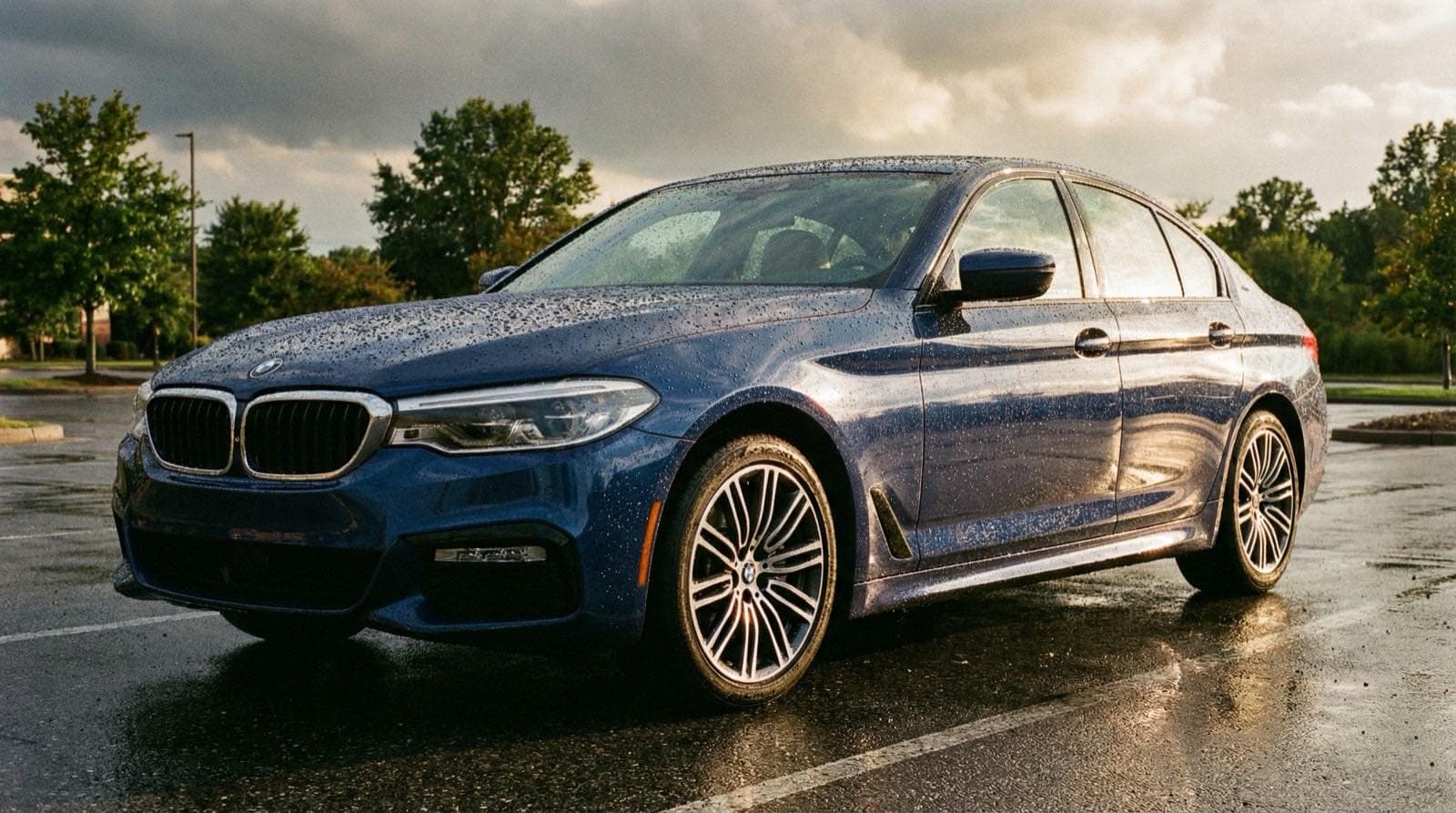
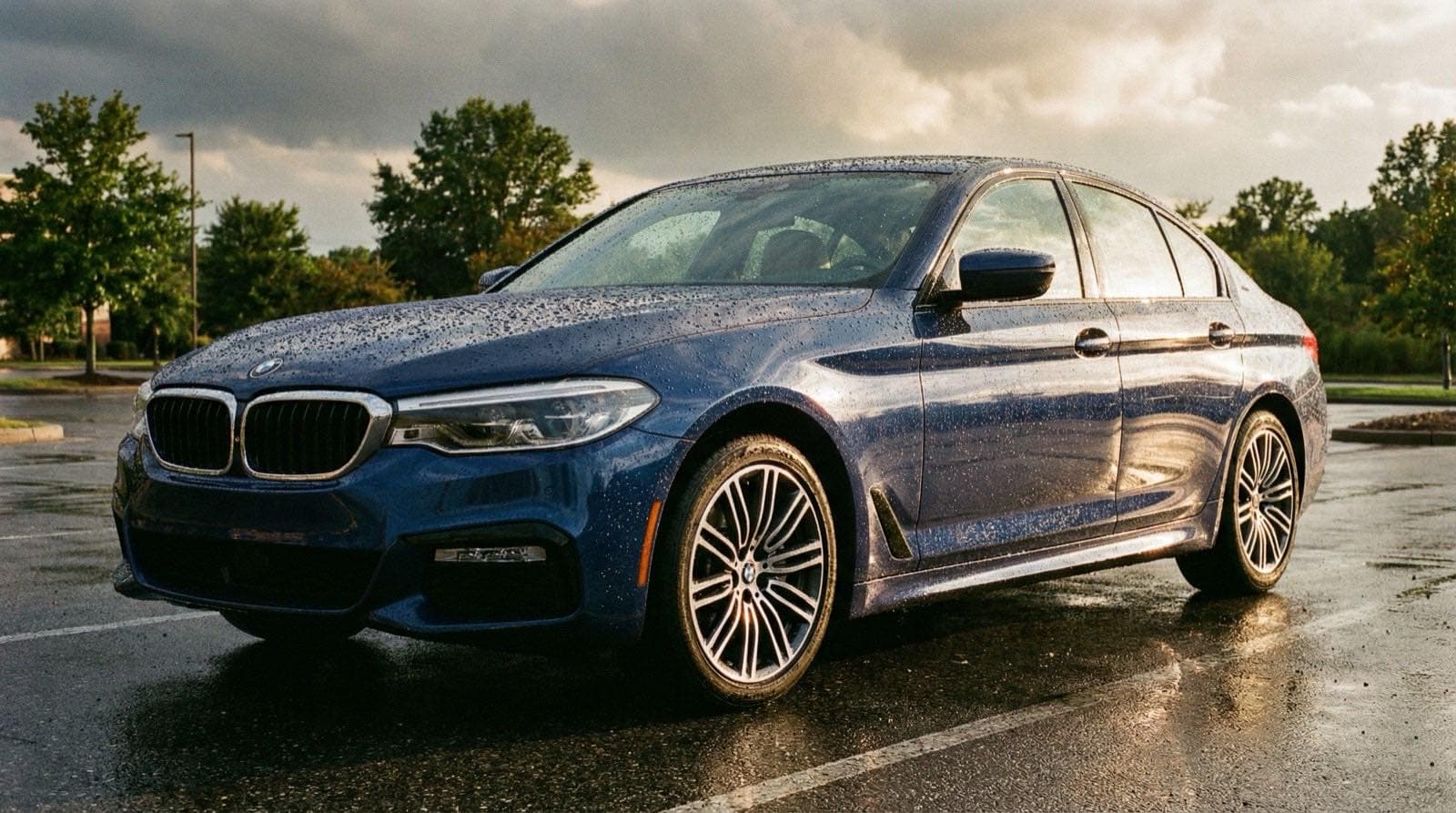
The coating is transparent, so it doesn't change the colour of your paint — it enhances it. Gloss depth increases noticeably, and the surface becomes hydrophobic: water beads and sheets off instead of sitting on the paint.
How Ceramic Coating Works
SiO2 nanotechnology is the foundation. When the liquid coating is applied to prepared paint, the SiO2 molecules cross-link and bond to the clear coat's surface, creating a glass-like layer with a water contact angle above 110°. That angle is what makes water bead into tight droplets and roll off.
The cured layer is chemically resistant to bird droppings, tree sap, bug splatter, and road salt — all of which etch into unprotected clear coat over time. UV radiation, which breaks down paint and causes oxidation and fading, is blocked by the coating.
The bond is semi-permanent. Unlike wax, which sits on top and washes away within weeks, or paint sealants that last a few months, a professional ceramic coating integrates with the clear coat. It doesn't peel, flake, or wash off. Removal requires machine polishing — which tells you something about how well it holds.
Benefits of Ceramic Coating
Hydrophobic surface. Water doesn't sit on ceramic-coated paint — it beads and runs. Dirt, mud, and road grime have less to grip onto. Your car stays cleaner between washes, and when you do wash it, contamination releases with minimal effort. A coated car that takes ten minutes to wash would take 40 minutes uncoated.
UV protection. Australian UV is aggressive. Unprotected clear coat oxidises, fades, and chalks — particularly on red, black, and dark blue paint. Ceramic coating blocks UV radiation and slows that degradation significantly. For cars parked outdoors in Sydney, this is the single biggest benefit.
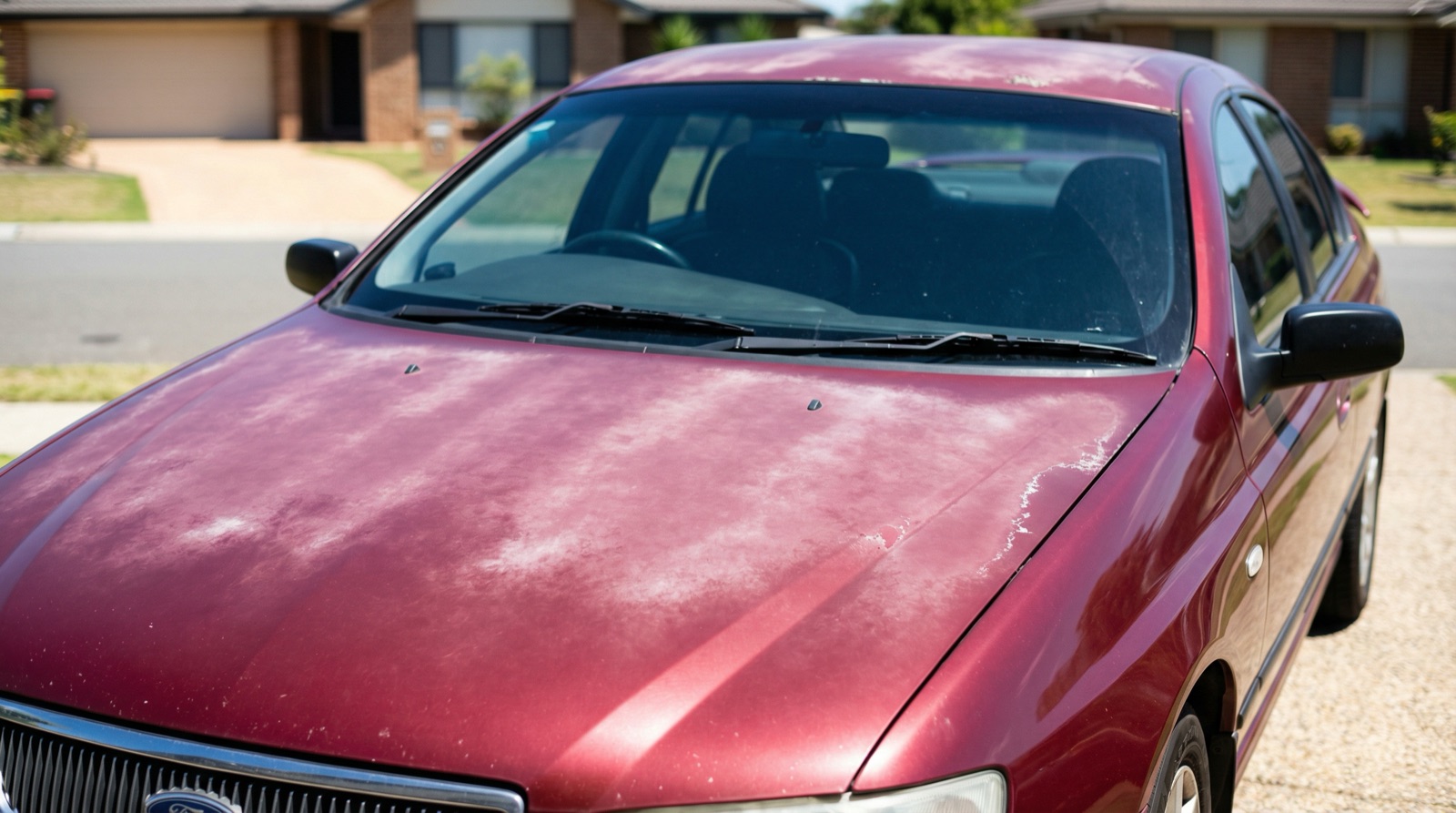
Chemical resistance. Bird droppings left on bare paint for 48 hours will etch the clear coat permanently. On ceramic-coated paint, you have a much wider margin. The same goes for tree sap, insect residue, and industrial fallout. The coating takes the hit instead of the paint.
Gloss and depth. A ceramic-coated surface has measurably higher gloss than bare clear coat. The SiO2 layer fills microscopic imperfections and creates a smoother surface that reflects light more uniformly. On dark colours, the difference is dramatic.
Reduced maintenance. You still wash the car. But washes are faster, you use less product, and you don't need to wax or seal every few months. Over two years, the time savings alone are significant.
Paint preservation. If you're planning to sell the vehicle, protected paint holds its condition — and its value. Swirl marks, oxidation, and chemical etching are cumulative. A car that's been coated from new will have visibly better paint than an identical uncoated car after five years.
How Much Does Ceramic Coating Cost?
Professional ceramic coating in Australia starts from $795+.
What drives the price:
- Paint correction. A single-stage correction (removing light swirl marks) adds time and cost. A multi-stage correction for heavily damaged paint adds more. This is the foundation — if the surface isn't prepared properly, the coating won't bond well. But the application technique and product quality matter just as much.
- Decontamination. Iron fallout removal, clay bar treatment, and chemical decon are essential before any coating goes on. Skip this and you're locking contamination under the coating.
- Coating grade. Consumer-grade coatings last 1–2 years. Professional-grade products like Gtechniq Crystal Serum Ultra offer 9+ years of protection backed by a 9-year manufacturer warranty, with 10H hardness — the highest rated pencil hardness available.
- Vehicle size. A hatchback takes less time and product than a full-size SUV or ute.
Considering ceramic coating for your car?
We'll assess your paint and recommend the right package. Hornsby & Gosford.
Get a Free Ceramic Coating QuoteOr call: 0422 976 875
How Long Does Ceramic Coating Last?
That depends entirely on the product and what's underneath it.
Consumer spray ceramics — the SiO2-infused spray sealants you'll find at auto retailers — are not ceramic coatings. They last weeks to months and need constant reapplication. They're fine as maintenance toppers on a car that already has a professional coating, but calling them "ceramic" is marketing, not chemistry.
Entry-level professional coatings last 2–3 years with proper maintenance.
Mid-range professional coatings last 3–5 years.
Flagship professional coatings like Gtechniq Crystal Serum Ultra are rated for 9+ years. Crystal Serum Ultra achieves 10H pencil hardness once cured — the highest rating on the pencil hardness scale and among the hardest professional coatings available. It's what we use for our top-tier packages, and it's backed by a manufacturer warranty that Gtechniq actually honours.
Read more about the product range on our Gtechniq page.
Maintenance matters. Australian UV is not a marketing talking point — it genuinely accelerates wear on unprotected surfaces. Gtechniq Crystal Serum Ultra carries a lifetime manufacturer guarantee, but that doesn't mean you can skip maintenance. Regular washing — ideally monthly — helps maintain showroom condition and the integrity of the coating. If you take a set-and-forget approach, the car gets dirty again and contamination builds up. Coastal areas like Gosford add salt air to the equation, making regular maintenance even more important.
Ceramic Coating vs Wax vs Paint Sealant
| Feature | Carnauba Wax | Synthetic Sealant | Ceramic Coating |
|---|---|---|---|
| Durability | 2–6 weeks | 3–6 months | 2 years to lifetime |
| Hardness | Soft | Moderate | Up to 10H |
| UV protection | Minimal | Moderate | High |
| Chemical resistance | Low | Moderate | High |
| Hydrophobic effect | Moderate | Good | Excellent (>110° contact angle) |
| Gloss | Warm, deep | Clean, reflective | Deep, wet-look |
| Application | Easy — anyone can do it | Easy | Professional only |
| Cost | $20–$50 per application | $30–$80 per application | From $795+ one-time |
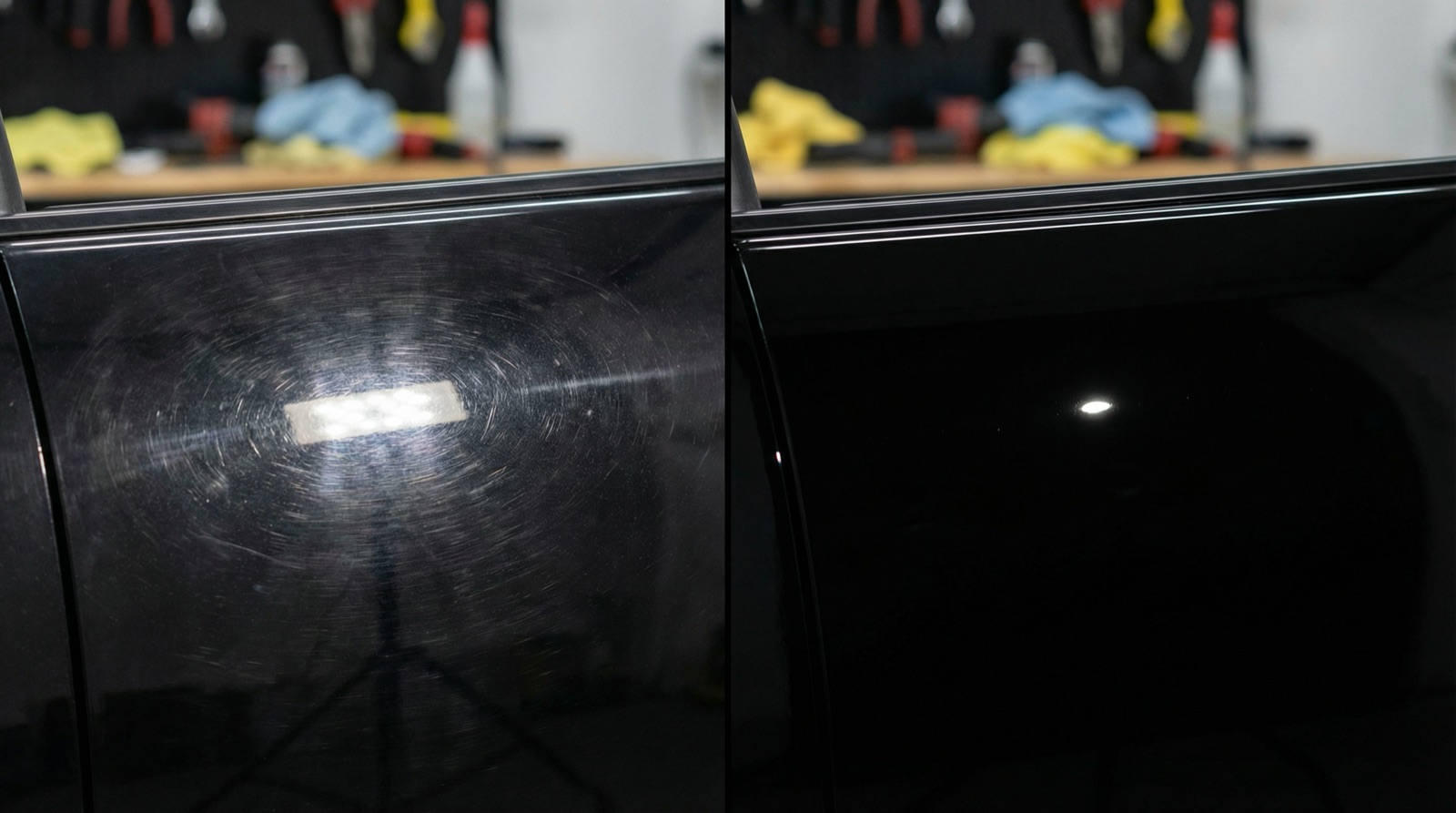
Wax gives a warm, natural gloss and is satisfying to apply. But it washes off within weeks, offers almost no chemical or UV protection, and requires constant reapplication. Over a year, the product cost, time, and effort add up — and the paint is only protected when you've recently waxed it.
Synthetic sealants last longer and protect better than wax, but they're still a temporary solution. You're reapplying every three to six months.
Ceramic coating is a different category. One application lasts years. The protection is continuous, not periodic. And the total cost — even at the higher end — works out cheaper over the life of the vehicle.
The average professional detail costs $150–$400. At four details a year, you're spending $600–$1,200 annually just to maintain uncoated paint. A ceramic coating at $1,650+ pays for itself within two years in reduced maintenance alone.
Is It Worth It for Your Car?
New cars. The best time to coat a car is when the paint is newest. Less correction needed, fewer defects to deal with, and you're protecting the paint from day one. That said, new doesn't mean perfect.
A black Model Y came in brand new from the dealer with swirl marks across every panel — factory finish plus wash damage from transit. Two-stage correction, then Crystal Serum Ultra. The paint looked better leaving our workshop than it did leaving the factory.
Almost every new car benefits from at least a single-stage correction before coating. Robotic spray painting produces a mass-produced finish, and transport, handling, and pre-delivery washing can add swirl marks. Coating over uncorrected paint locks in the defects. For the full breakdown of protecting a new car, see our new car protection guide. Still deciding whether it's worth the spend? Read is paint protection worth it on a new car.
Daily drivers. If the car gets used every day, parked outdoors, and driven through rain, dust, and highway grime, ceramic coating makes the biggest practical difference. The paint takes constant abuse, and a coating is the most effective way to protect it without wrapping the car.
Older cars. Ceramic coating can absolutely be applied to older paint — it just needs more correction work upfront. If the paint is sound but covered in swirl marks, oxidation, and water spots, a proper correction followed by a coating can make a five-year-old car look new. If the clear coat is failing, a coating won't save it — you need a respray first.
The decision framework: If you're keeping the car for more than two years and you care about the condition of the paint, ceramic coating is worth it. If you're selling within six months, spend the money on a detail and a sealant instead. If you've decided to go ahead and want to know what to look for in an installer, read our guide to finding the best ceramic coating in Sydney.
What to Expect During Professional Application
Professional ceramic coating isn't a spray-and-go process. A proper job takes a full day, sometimes two, and involves several stages before the coating goes anywhere near the paint.
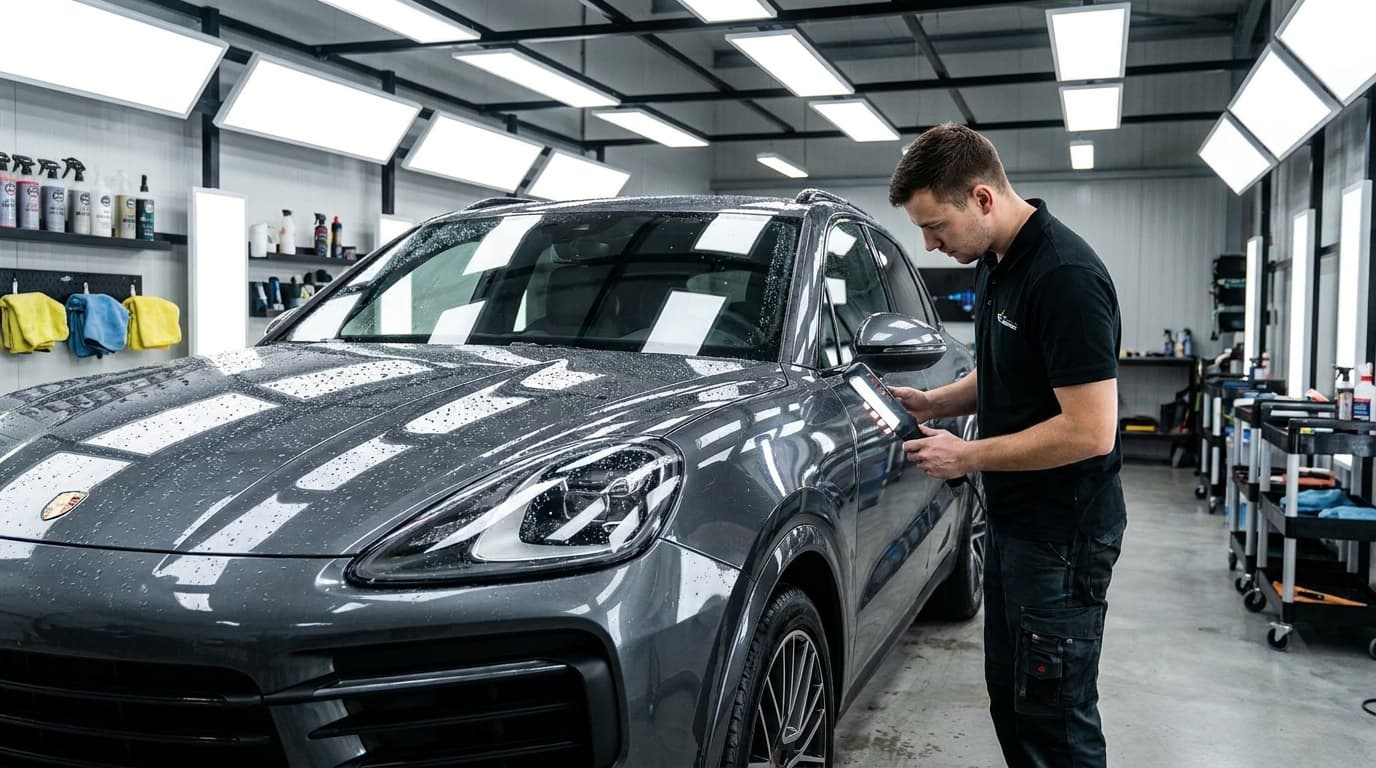
Stage 1: Decontamination. The car is washed, then treated with iron fallout remover to dissolve embedded metallic particles from brake dust and rail dust. A clay bar pass follows to remove bonded surface contamination — tar, tree sap residue, industrial fallout. The paint needs to be chemically clean before any correction starts.
Stage 2: Paint correction. Machine polishing with cutting compounds removes swirl marks, light scratches, water spots, and oxidation. Single-stage correction handles light defects. Multi-stage correction — using progressively finer compounds — is needed for heavier damage. This stage is where the paint transformation happens, and it's the most time-intensive part of the job.
Stage 3: Panel wipe. After correction, every panel is wiped with an IPA (isopropyl alcohol) solution to remove polishing oils. The coating needs to bond to clean, bare clear coat — any residue will compromise adhesion.
Stage 4: Coating application. The ceramic coating is applied panel by panel, using a suede applicator to lay down a thin, even layer. The coating is levelled with a microfibre cloth before it flashes (begins to cure). Timing is critical — too early and you remove the coating, too late and it creates high spots that are extremely difficult to remove.
Stage 5: Curing. The initial cure takes 24–48 hours before the car can be exposed to water. Most professional installers keep the vehicle in a controlled environment for this period. We use UV curing lights to accelerate the process when conditions call for it — if rain is forecast or the schedule is tight, UV curing gets the coating to a water-safe state faster. Full cure — where the coating reaches maximum hardness — takes around 7 days depending on the product and conditions.
After curing, the coating is inspected under LED lighting to verify even coverage and correct any high spots. Then it's ready to go.
Frequently Asked Questions
Is ceramic coating worth the money?
For most car owners keeping their vehicle longer than two years — yes. Professional ceramic coating starts from $795+. It eliminates regular waxing and sealing, reduces wash time significantly, and protects paint from UV, bird droppings, and chemical etching for years.
How long does ceramic coating last?
It depends on the product grade. Consumer spray ceramics last weeks to months. Entry-level professional coatings last 2–3 years. Flagship products like Gtechniq Crystal Serum Ultra carry a 9-year manufacturer warranty with proper maintenance including monthly washes with a pH-neutral shampoo.
What does ceramic coating actually do?
Ceramic coating is a liquid SiO2 polymer that bonds to your car's clear coat, creating a hydrophobic, UV-resistant, chemically resistant layer. Water beads and rolls off, dirt releases with minimal effort during washing, and the paint is protected from oxidation, bird droppings, tree sap, and UV damage.